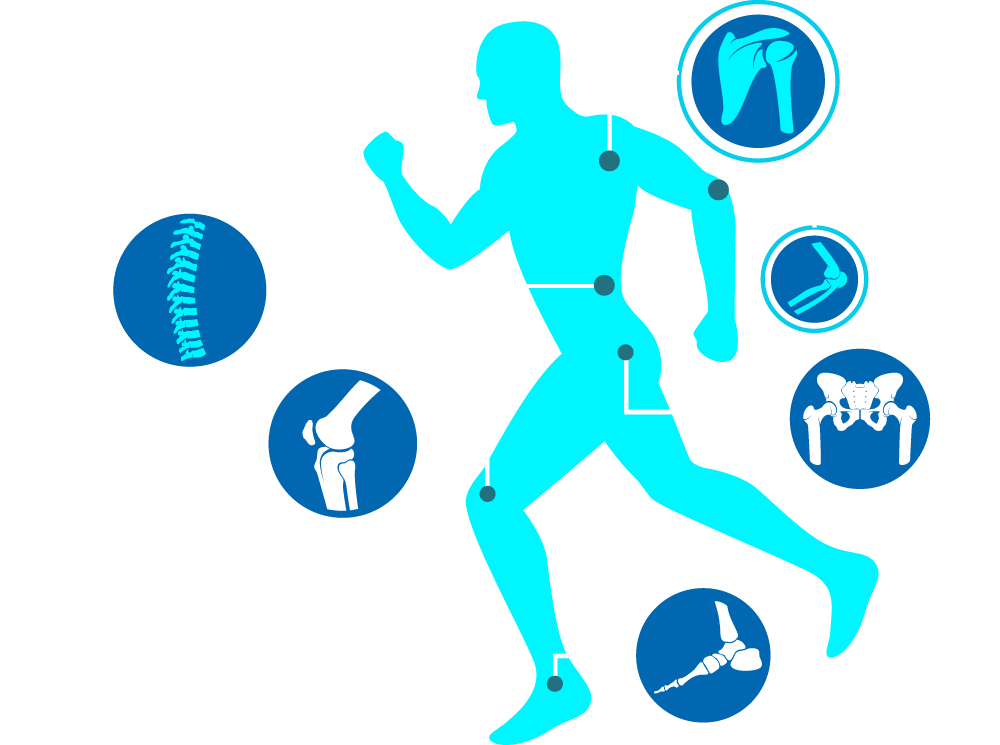
Protecting your bone health is easier than you think. Understand how diet, physical activity and other lifestyle factors can affect your bone mass.
Bones play many roles in the body — providing structure, protecting organs, anchoring muscles and storing calcium. While it's important to build strong and healthy bones during childhood and adolescence, you can take steps during adulthood to protect bone health, too.

Why is bone health important?
Your bones are continuously changing — new bone is made and old bone is broken down. When you're young, your body makes new bone faster than it breaks down old bone, and your bone mass increases. Most people reach their peak bone mass around age 30. After that, bone remodeling continues, but you lose slightly more bone mass than you gain.
How likely you are to develop osteoporosis — a condition that causes bones to become weak and brittle — depends on how much bone mass you attain by the time you reach age 30 and how rapidly you lose it after that. The higher your peak bone mass, the more bone you have "in the bank" and the less likely you are to develop osteoporosis as you age.
What affects bone health?
A number of factors can affect bone health. For example:
1. The amount of calcium in your diet. A diet low in calcium contributes to diminished bone density, early bone loss and an increased risk of fractures.
2. Physical activity. People who are physically inactive have a higher risk of osteoporosis than do their more-active counterparts.
3. Tobacco and alcohol use. Research suggests that tobacco use contributes to weak bones. Similarly, regularly having more than one alcoholic drink a day for women or two alcoholic drinks a day for men may increase the risk of osteoporosis.
4. Gender. You're at greater risk of osteoporosis if you're a woman, because women have less bone tissue than do men.
5. Size. You're at risk if you are extremely thin (with a body mass index of 19 or less) or have a small body frame because you might have less bone mass to draw from as you age.
6. Age. Your bones become thinner and weaker as you age.
7. Race and family history. You're at greatest risk of osteoporosis if you're white or of Asian descent. In addition, having a parent or sibling who has osteoporosis puts you at greater risk — especially if you also have a family history of fractures.
8. Hormone levels. Too much thyroid hormone can cause bone loss. In women, bone loss increases dramatically at menopause due to dropping estrogen levels. Prolonged absence of menstruation (amenorrhea) before menopause also increases the risk of osteoporosis. In men, low testosterone levels can cause a loss of bone mass.
9. Eating disorders and other conditions. People who have anorexia or bulimia are at risk of bone loss. In addition, stomach surgery (gastrectomy), weight-loss surgery, and conditions such as Crohn's disease, celiac disease and Cushing's disease can affect your body's ability to absorb calcium.
10. Certain medications. Long-term use of corticosteroid medications, such as prednisone, cortisone, prednisolone and dexamethasone, is damaging to bone. Other drugs that might increase the risk of osteoporosis include aromatase inhibitors to treat breast cancer, selective serotonin reuptake inhibitors, methotrexate, some anti-seizure medications, such as phenytoin (Dilantin) and phenobarbital, and proton pump inhibitors.
What can I do to keep my bones healthy?
You can take a few simple steps to prevent or slow bone loss. For example:
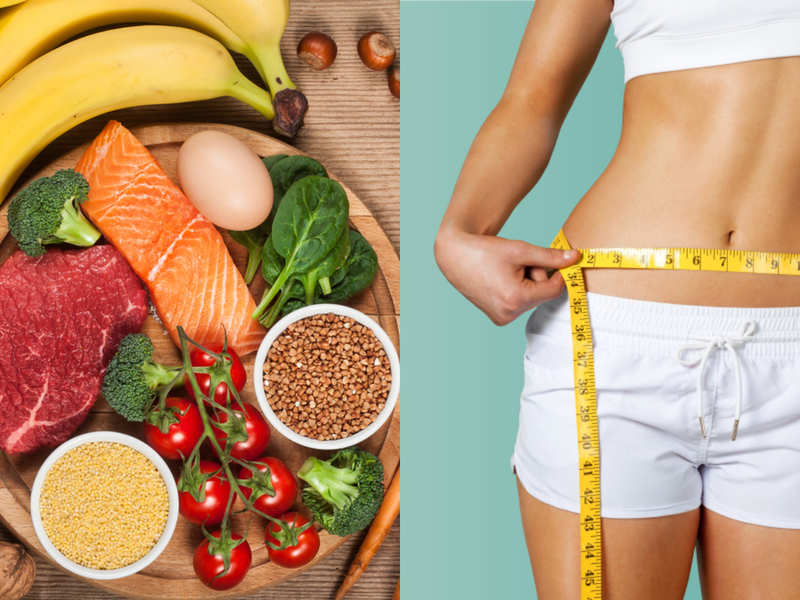
1. Include plenty of calcium in your diet. For adults ages 19 to 50 and men ages 51 to 70, the Recommended Dietary Allowance (RDA) is 1,000 milligrams (mg) of calcium a day. The recommendation increases to 1,200 mg a day for women after age 50 and for men after age 70.
2. Good sources of calcium include dairy products, almonds, broccoli, kale, canned salmon with bones, sardines and soy products, such as tofu. If you find it difficult to get enough calcium from your diet, ask your doctor about supplements.
3. Pay attention to vitamin D. Your body needs vitamin D to absorb calcium. For adults ages 19 to 70, the RDA of vitamin D is 600 international units (IUs) a day. The recommendation increases to 800 IUs a day for adults age 71 and older.
4. Good sources of vitamin D include oily fish, such as salmon, trout, whitefish and tuna. Additionally, mushrooms, eggs and fortified foods, such as milk and cereals, are good sources of vitamin D. Sunlight also contributes to the body's production of vitamin D. If you're worried about getting enough vitamin D, ask your doctor about supplements.
5. Include physical activity in your daily routine. Weight-bearing exercises, such as walking, jogging, and climbing stairs, can help you build strong bones and slow bone loss.
6. Avoid substance abuse. Don't smoke. If you are a woman, avoid drinking more than one alcoholic drink each day. If you are a man, avoid drinking more than two alcoholic drinks a day.
About PUSM
Shenyang Pusman Medical Equipment Co., Ltd. was established in 2006. It is a
professional enterprise integrating R & D, manufacturing and sales. It
specializes in producing medical equipment according to national standards. Our
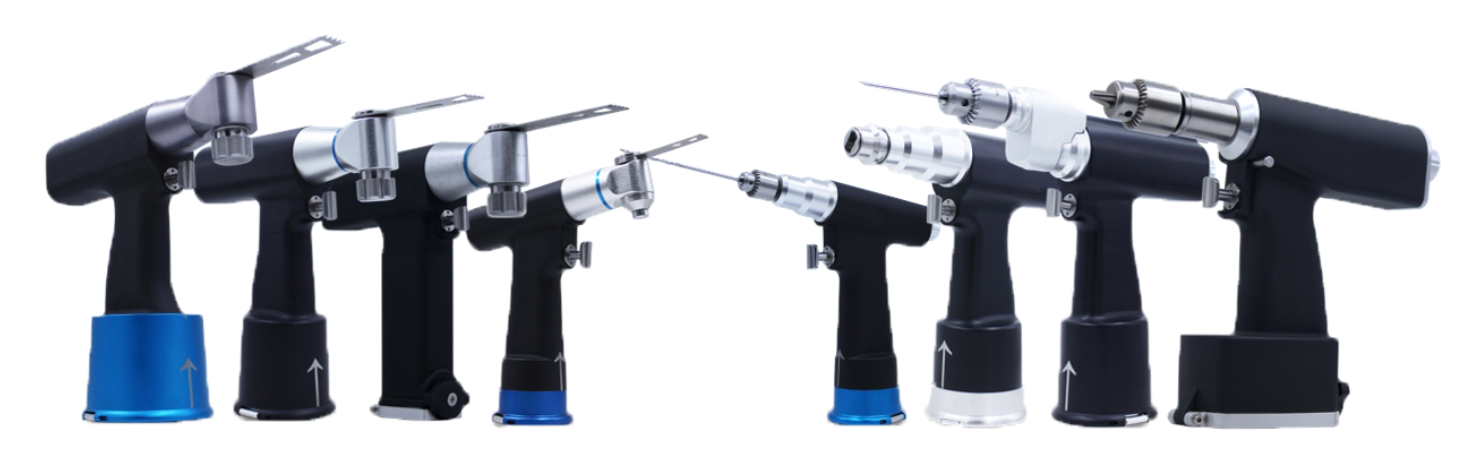
company's main products: medical electric saw drill series; imported brushless
motor series; domestic high-quality brushless motor series; medical electric
drill pendulum saw integrated multi-functional system; hand, foot and ankle
special system; pedicle screw screwing into special power; external Fixed
needles are screwed into special power; external fixation series; bone cement
cannula; bone cement guns and other orthopedic surgical instruments.
Advantages
of PUSM Power Tool
Integrated design, good sealing; integrated host provides you with efficient
and stable output; reasonable distribution of the weight of the host from top
to bottom, the user's hands are not tired; ergonomic design, comfortable
feel; Suited sterilization box.
Contact:
Website: www.pusm-medical.com
Email: info@pusm-medical.com
Tel: +86-24-23519517
WhatsApp: +86 1399 8124 587