A
bulging disk occurs when the spongy disks in the spine become compressed. It
can lead to a person experiencing pain and mobility issues.
Bulging disks are
usually due to age-related degeneration, while symptoms tend to progress
gradually.
Doctors may
recommend treatment for bulging disks in the back from a range of short-term
and long-term options to decompress the spinal canal and ease the pain.
What is a bulging disk?
A bulging disk
occurs when the spongy disks between the bones in the spine become compressed
and bulge out.
A series of
interlocking bones, called vertebrae, make up the spine. These vertebrae
provide support for the spine and enable the back to bend and move.
Between each
vertebra is soft tissue, known as a spinal disk, which prevents bones from
rubbing against each other. The disks also act as shock absorbers to prevent
damage during movement.
Each disk contains
a tough outer later with gel in the middle. This gel may decrease with age,
become compressed, and push out. When the disk bulges, it may make contact with
a nerve and trigger pain.
Most bulging disks
occur at the bottom of the lumbar spine. Sometimes, the outer layer of the disk
breaks down and causes a herniated disk. A herniated disk, also known as a
ruptured or slipped disk, is when the gel-like center leaks out through a tear
in the disk’s exterior wall.
Is it serious?
Bulging disks increase
the likelihood of a herniated disk, which can be painful, affect mobility, and
limit a person’s daily functioning and quality of life. Bulging disks can also
lead to weakness or numbness in the legs and poor bladder control.
Symptoms
The symptoms of a
bulging disk depend on its severity and location in the spine.
Some people may
experience no initial symptoms. However, with further disk degeneration and
herniation, a person may have the following symptoms:
-
back pain that worsens with movement,
such as sneezes
-
spasms in the back muscles
-
weakness and numbness in the legs and
feet
-
reduced mobility in the legs, knees, and
ankles
-
decreased bladder and bowel control
-
difficulty walking
-
sciatica
-
reduced coordination
A herniated disk
in the upper part of the spine may trigger similar symptoms. However, instead
of affecting the legs, it may cause symptoms in the upper body, including
numbness and weakness.
Pain may also radiate
to different areas of the body, such as the arms or rib cage.
Cause and risk factors
Bulging disks
result from a reduction of gel in the disk center. Less gel causes the disk to
become compressed and start to bulge.
The gel in a
spinal disk naturally wears away over time. A bulging disk is usually the
result of aging, but it can also be due to spinal injury, such as the result of
a car accident. An injury could also push a bulging disk to become herniated.
Another risk
factor is physical activity, which may weaken the back and abdominal muscles,
placing additional pressure on the vertebrae.
Some physically
demanding jobs may also increase the risk of a bulging disk , such as those
that frequently involve lifting heavy objects.
Treatment
Treatments for a
bulging disk will depend on its severity and location.
Doctors may
recommend anti-inflammatory medications to help with pain and reduce inflammation.
For people with severe pain, steroid injections may be a suitable short term
solution.
If the disk
ruptures, bed rest may be necessary. Sometimes, if the condition is severe, a
doctor may perform surgery to reduce pain and improve mobility.
Home care
Over-the-counter
pain relief may relieve mild pain due to a bulging disk.
Physical therapy
and exercises may help a person strengthen the muscles around the disk and
improve mobility.
A doctor or
physical therapist can help determine safe exercises for a person, depending on
the bulging disk’s position. They may suggest gentle physical activities, such
as yoga or walking.
Stretches for the
back, neck, and legs might be another option that people can try at home to
ease the pain. A person may also need to maintain a moderate weight to reduce
pressure on the vertebrae.
Additionally,
supporting the spine with protective equipment may ease a bulging disk. For
example, a person could ensure their desk chair features adequate lumbar
support.
Prevention
Preventing a
bulging disk is not always possible, as disk gel naturally degrades over time.
However, people can take the following steps to prevent a bulging disk from
becoming severe:
-
maintaining a moderate weight to reduce
pressure on the vertebrae
-
keeping physically active to strengthen
the muscles surrounding the spine
-
staying flexible and stretching when
sitting for long periods
-
practicing good posture to reduce stress
on the spine
When to speak with a doctor
Practicing good
posture, exercising regularly, and healthful eating can often improve back pain
without speaking with a doctor.
A person should
consult with a healthcare professional if they have back pain that worsens over
time or accompanies other symptoms, such as bowel or bladder control issues.
People
experiencing severe back pain following trauma or physical exertion may also
need to speak with a doctor.
Summary
Bulging disks
occur when the spongy disks between the vertebrae become compressed and bulge
out. A common cause of bulging disks is aging. If this degradation continues,
it can lead to a herniated disk.
Herniated disks
can cause pain, numbness, and mobility issues. Treatments may include
combinations of medication, physical therapy, and self-care.
In severe cases of
herniated disks, a person may need surgery.
About PUSM
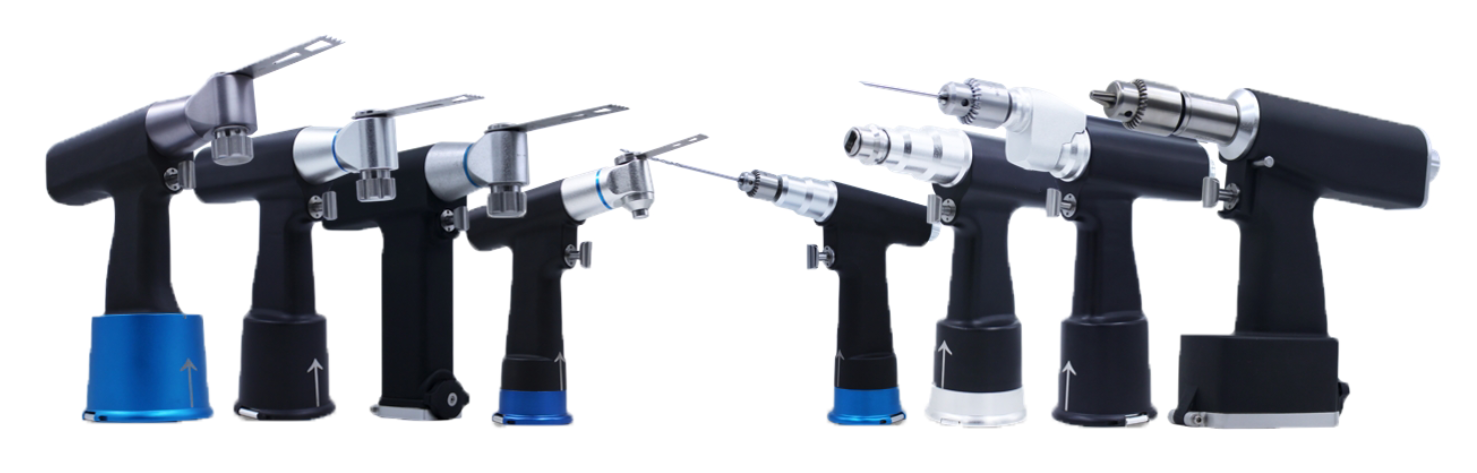
Shenyang Pusman Medical Equipment Co., Ltd. was established in 2006. It is a
professional enterprise integrating R & D, manufacturing and sales. It
specializes in producing medical equipment according to national standards. Our
company's main products: medical electric saw drill series; imported brushless
motor series; domestic high-quality brushless motor series; medical electric
drill pendulum saw integrated multi-functional system; hand, foot and ankle
special system; pedicle screw screwing into special power; external Fixed
needles are screwed into special power; external fixation series; bone cement
cannula; bone cement guns and other orthopedic surgical instruments.
Advantages of PUSM Power
Tool
Integrated design, good sealing; integrated host provides you with efficient
and stable output; reasonable distribution of the weight of the host from top
to bottom, the user's hands are not tired; ergonomic design, comfortable
feel; Suited sterilization box.
Contact:
Website: www.pusm-medical.com
Email: info@pusm-medical.com
Tel: +86-24-23519517
WhatsApp: +86 1399 8124 587