A
hip replacement is a common surgical procedure that a surgeon will perform to
treat a damaged hip joint. The operation involves replacing the joint with an
implant, or a prosthesis.
Hip replacement
surgery, also called hip arthroplasty, aims to improve the function of the hip
joint and relieve pain. Having a new hip typically allows a person to return to
their normal activities. Most hip replacements last for many years.
Most people who
undergo hip replacement surgery experience less pain, increased mobility, and a
better quality of life.
Why do people get hip replacement?
The hip joint is
where the top of the thighbone, or femur, connects to the pelvis. It provides
stability and supports body weight. Having a well-functioning hip is essential
for lower body movements, including walking and standing.
Some conditions or
injuries cause damage to parts of the hip joint that can affect its
functioning. Hip replacement surgery involves replacing damaged parts of the
hip with artificial materials, such as plastic and metal.
Common conditions
that might cause a person to need a hip replacement include:
-
osteoarthritis
-
rheumatoid arthritis
-
osteonecrosis
-
injuries and fractures
The most common
condition that results in someone needing hip replacement surgery is
osteoarthritis. Osteoarthritis causes the breakdown of the cartilage in a
joint.
A hip replacement
removes the damaged cartilage surfaces and replaces them with an artificial
joint, or a prosthesis. The operation can greatly relieve pain and improve the
function of the hip joint.
Who might need one?
Someone with
advanced damage to their hip joint that results in significant pain and limited
mobility may benefit from a hip replacement.
Before surgery,
doctors will often attempt non-surgical treatments, such as medications, physical
therapy, and injections. However, they will usually offer hip replacement surgery
to those who have persistent symptoms.
Older adults are more
likely to develop conditions that damage the hip joints, such as
osteoarthritis. Bone health also decreases with age, increasing the risk of hip
fracture.
Types of hip replacement surgery
There are many
types of implants for replacing parts of the hips, as well as different
surgical techniques for the operation. Most involve replacing the ball on the
top of the femur and placing a cup, or socket, in the pelvis.
Surgeons usually
use metal for the stem that they insert into the top of the femur. The head, or
ball, of the implant is usually made of metal or ceramic, and the cup that they
place in the pelvis is usually also made of metal.
They will place a
plastic liner that matches the head into the cup, allowing the new hip to move
freely and painlessly.
To attach the
implants to the bone, surgeons may use a special type of bone cement. However,
in younger people, the implants are often “press-fit.” This refers to using
implants with a special coating that allows bone to grow onto it.
A hybrid hip
replacement uses a combination of both of these techniques.
Risks
Hip replacement
surgery typically reduces pain and increases mobility. However, a hip
replacement operation does have some associated risks.
These include:
-
infection
-
bleeding
-
blood clots
-
pulmonary embolus
-
dislocation
-
nerve damage
-
the implant loosening
How to prepare
Before undergoing
surgery, a person will need to visit their doctor and undergo some screening
blood work. People with certain medical conditions may also require additional
testing, including an electrocardiogram (to assess heart function) and a chest
X-ray.
The doctor will
also review the person’s complete medical history and current medication list
and perform a physical examination. In some cases, before surgery, they may
also recommend performing strengthening exercises, losing weight, and quitting
smoking (if applicable).
Other
considerations include organizing transport to and from the hospital and
planning for time off work after the operation.
What happens during hip replacement surgery?
Most surgeons
perform hip replacement surgeries using a combination of anesthetic techniques,
including general anesthetics, spinal or epidural anesthetics, peripheral nerve
blocks, and local anesthetics. They will inject these into the tissues
surrounding the hip joint.
The operation
involves a skin incision, the separation of the muscles, and then the exposure
of the hip joint. The surgeon will then remove the damaged part of the joint
and fix the implants to the bone.
They will then close the skin incision using either surgical staples or suture. Finally, they will place a sterile bandage over the incision site.
Aftercare and recovery
Following hip
replacement surgery, a doctor will provide intravenous fluids and medications
to aid in the recovery process.
The recovery time will
vary from person to person. Most people spend 2–3 days in the hospital, but
some centers are now performing outpatient, or same-day, total hip replacement
surgeries.
Upon discharge
from the hospital, a person will receive prescriptions for any necessary
medications. These may include pain medications and blood thinners, which can
help prevent blood clots in the legs.
Recovery at home usually
involves performing exercises to strengthen the hip and improve mobility. These
exercises can include simple activities around the house, such as learning to
walk or climb stairs with the new hip.
A physical
therapist may also attend a person’s home until it is safe and comfortable for
the person to attend therapy outside of the home.
Doctors may also
recommend making some changes to the home environment, such as installing
handrails in the shower or using a raised toilet seat.
Most people will
require the use of a walker, crutches, or a cane following their operation.
However, many can walk independently 2–3 weeks after their operation, and most
will have fully recovered in 3–4 months.
Undergoing
physical therapy and performing home exercises are very important following hip
replacement surgery. People should carry these out as the doctor prescribed in
order to achieve the best possible result following their operation.
Summary
Hip replacement
surgery is a very common operation, especially in older adults. It is most
commonly necessary when a person has osteoarthritis of the hip. It can greatly
reduce the person’s pain and improve their mobility and quality of life.
An orthopedic
surgeon will usually recommend a hip replacement after first trying other
treatments, including medications, injections, and physical therapy.
It takes time to
fully recover from a hip replacement, and most people will require physical
therapy to help restore their normal walking ability, mobility, and strength.
About PUSM
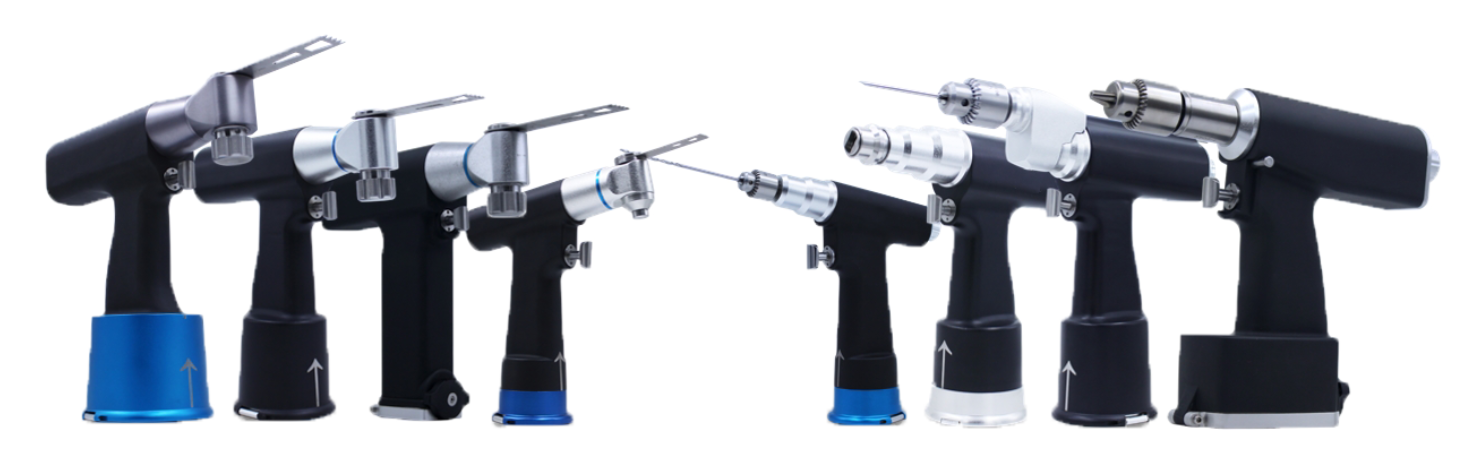
Shenyang Pusman Medical Equipment Co., Ltd. was established in 2006. It is a
professional enterprise integrating R & D, manufacturing and sales. It
specializes in producing medical equipment according to national standards. Our
company's main products: medical electric saw drill series; imported brushless
motor series; domestic high-quality brushless motor series; medical electric
drill pendulum saw integrated multi-functional system; hand, foot and ankle
special system; pedicle screw screwing into special power; external Fixed
needles are screwed into special power; external fixation series; bone cement
cannula; bone cement guns and other orthopedic surgical instruments.
Advantages of PUSM Power
Tool
Integrated design, good sealing; integrated host provides you with efficient
and stable output; reasonable distribution of the weight of the host from top
to bottom, the user's hands are not tired; ergonomic design, comfortable
feel; Suited sterilization box.
Contact:
Website: www.pusm-medical.com
Email: info@pusm-medical.com
Tel: +86-24-23519517
WhatsApp: +86 1399 8124 587