Recycling patient cells
Existing cell therapy to repair knee
cartilage generally involves surgically debriding the cartilage defect
and then taking a biopsy of healthy cartilage from the patient. The
biopsy is cultured in an outside laboratory, and the cultured cells are
implanted weeks later. "We wanted to improve this technique because
during the waiting period, the patient's life is on hold, costs increase
and the logistics can be complex," Dr. Saris says.

RECLAIM's innovation starts with saving the patient's debrided
tissue. "That tissue is always a bit frilly and is normally discarded,"
Dr. Saris says. "But we found that the cells in that tissue are still
very viable. We recycle them."

The resected tissue is processed and, using a rapid isolation
protocol, digested into chondrons. Mixing the chondrons with allogeneic
stem cells from the stem cell bank provides sufficient cells to
immediately re-inject into the patient.
"This is a highly innovative procedure," Dr. Saris says. "You have to
find an intricate balance — loading enough cells to grow into healthy
tissue but not overloading the space so the cells are squished when the
patient starts rehab."

Most patients return home on the day of surgery. They generally need
to wait nine to 12 months before a full return to sports; that interval
provides time for the cartilage to grow and the patient to regain muscle
control. "But apart from sports, patients can go back to normal life
within days and physical activities within three to four months of
surgery," Dr. Saris says.
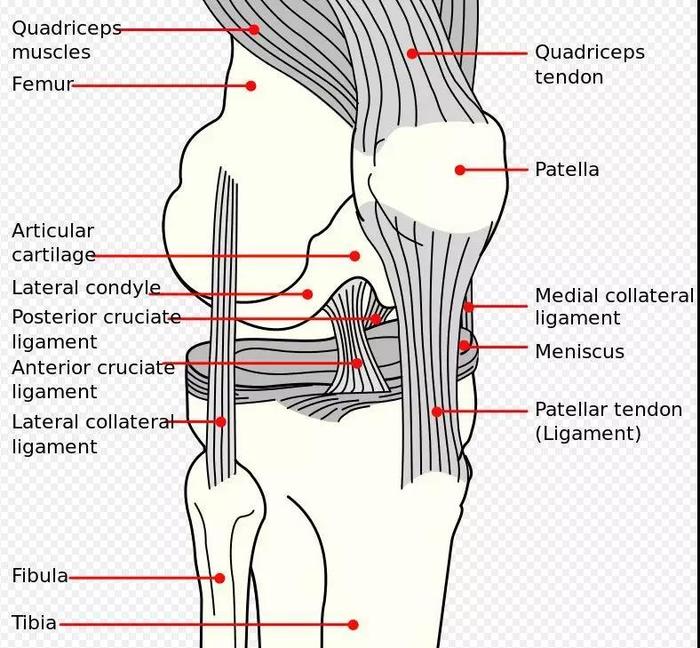
Mayo Clinic's multidisciplinary approach provides the range of care
needed by patients at all stages of knee cartilage repair. Before
surgery, advanced imaging helps pinpoint the cartilage defect. "Our
physiotherapists and athletic trainers also determine prior to surgery
how we can optimize the patient's musculoskeletal control and function,
and then work with the patient on rehab after surgery," Dr. Saris says.

Mayo Clinic also has the breadth of orthopedic expertise to manage
problems that patients often experience alongside damaged knee
cartilage, such as varus deformity and anterior cruciate ligament or
meniscus lesions. "If a cartilage repair procedure fails, it's generally
because not enough attention was paid to other factors — the meniscus
or the knee's alignment or stability," Dr. Saris says. "Our unique
multidisciplinary team looks at all aspects of a patient's care. Our
chances of success for these complex biological reconstructions is
therefore high."

About PUSM
Shenyang PUSM Medical Device Co., Ltd. was established in 2006. It is a professional enterprise integrating R & D, manufacturing and sales. It specializes in producing medical equipment according to national standards. Our company's main products: medical electric saw drill series; imported brushless motor series; domestic high-quality brushless motor series; medical electric drill pendulum saw integrated multi-functional system; hand, foot and ankle special system; pedicle screw screwing into special power; external Fixed needles are screwed into special power; external fixation series; bone cement; bone cement guns and other orthopedic surgical instruments.
Advantages of PUSM Power Tool
Integrated design, good sealing; integrated host provides you with efficient and stable output; reasonable distribution of the weight of the host from top to bottom, the user's hands are not tired; ergonomic design, comfortable feel; Suited sterilization box.

Website: www.pusm-medical.com
Email: info@pusm-medical.com
Tel: +86-24-23519517
WhatsApp: +86 1399 8124 587